
The way digital content can be created is changing quickly and video is at center of that change. AI video generation models are able to perform in mere minutes what involved complex software, a lengthy production times, and specialist know-how. These models do more than automate the creation of videos, but they also alter how static images can become immersive and moving stories.
At the forefront of this transformation is Akool Technology, which demonstrates how far AI-driven creativity has advanced.
From Static Images to Interactive Visuals
Traditional video production begins with footage. A workflow powered by AI advanced technology starts with an image. The Akool Video Model is created to transform static photos or illustrations as well as design assets into videos that seem natural. The model doesn’t use typical animations but instead adds texture, motion, and depth to the image while preserving its integrity.
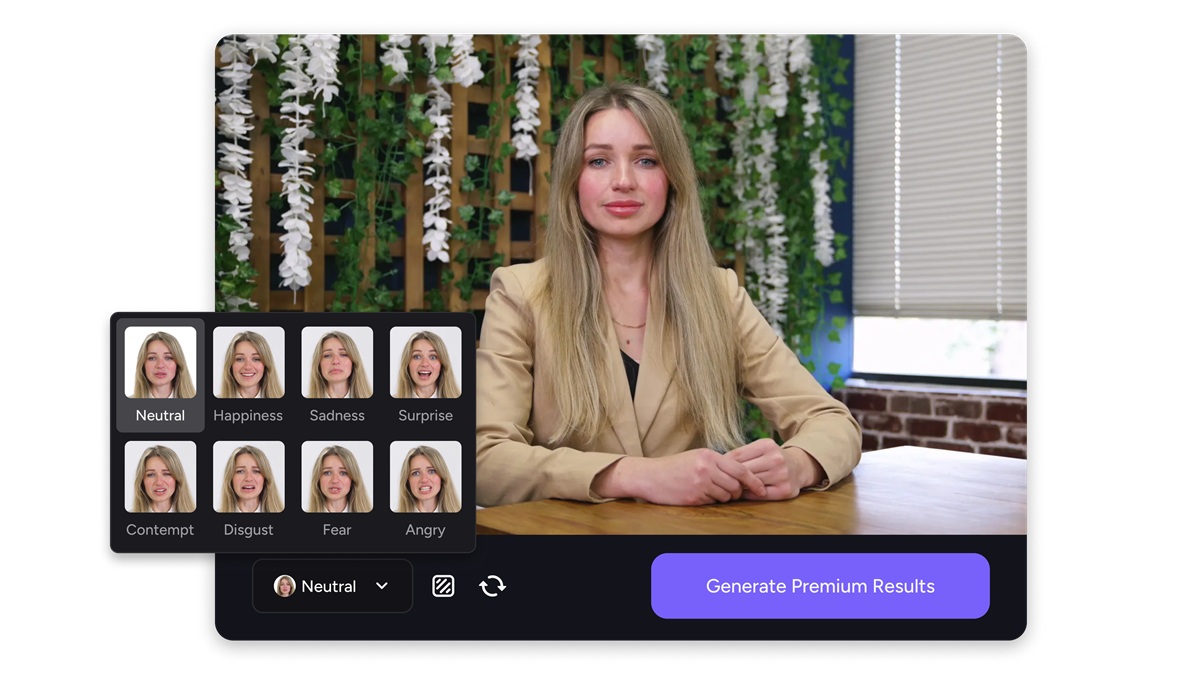
Image credit: akool.com
This is a particularly useful feature for teams with extensive image libraries. You can turn product images or artwork, brand images and other images into engaging videos without the need to reshoot. This will save time and money while increasing your creativity.
Precision Motion for Cinematic Results
One of the main characteristics of a professional AI video model is control. All motion is not created in the same way and random motion breaks the sense of. Advanced systems allow creators to regulate how the elements in the frame change in terms of speed as well as direction and trajectory, producing a smoother and more cinematic output.
With precise motion control, filmmakers can simulate camera movements and subtle shifts in the environment or even character movement that feels intentional rather than automated. This level is a great help in making AI-generated video clips seamlessly blend into professional marketing campaigns, presentations, and digital storytelling formats.
Faster without Sacrificing the Quality
Modern AI technologies challenge this idea. The latest AI video production can create high-quality videos, while preserving sharpness. Accuracy in color and visual stability. AI video creation is practical due to the balance between quality and efficiency.
The ability to test ideas in social media and marketing environments is crucial since trends can change rapidly. Creators and brands gain a advantage in the marketplace by being able to test ideas and alter visuals quickly, as well publishing content quickly.
Consistency That Helps Build Trust
Consistency is always a problem when it comes to AI video production, especially when characters or people are involved. The Akool AI model addresses this by maintaining facial identity, expressions, and overall character alignment throughout a clip. This consistency creates more convincing videos and also helps stop the visual drift that can cause a loss of viewer interest.
For use cases such as branding ambassadors, spokesperson images as well as educational content, the consistency is vital. Visuals that have a steady and natural feel are more likely for audiences to be able to connect and feel secure.
Created for real-world workflows
AI video tools are the most efficient when they seamlessly incorporate with existing processes of creativity. Professional users will find that image-to-video conversion techniques focus on simplicity rather than the power. The user-friendly interface, the rapid rendering speed and the ability to integrate with content pipelines make it easy for teams to use AI video production without requiring extensive training.
Beyond individual creators These systems facilitate collaboration and ingenuity. Users can discover shared examples discover new methods and expand their creativity with community-driven ecosystems.
A New Standard for Visual Storytelling
AI video production isn’t an exciting new technology no more. It’s a crucial instrument for creating content in today’s world. By combining realism, speed and creative control the current AI models can be used to create new possibilities by combining existing resources.
The Akool model and other tools are a good example of how AI is developing and moving towards a more intelligent and accessible video production. The future of visual storytelling isn’t just about creating motion, it’s creating creators with the power to transform concepts into immersive experiences more efficiently than ever.